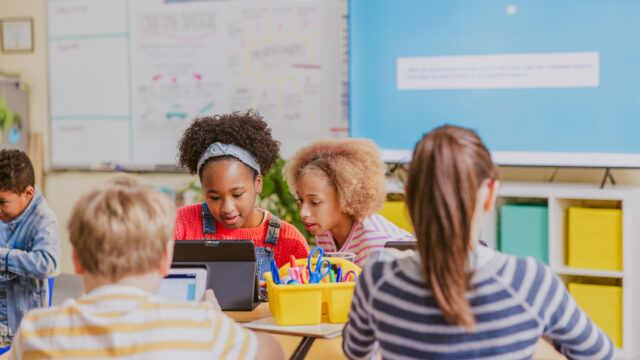
Learning becomes easier when lessons include enjoyable tasks and clear goals. Learners can understand new ideas through practice instead of simply reading long explanations. The quizzes for fun add a playful way to check knowledge while encouraging curiosity. These activities help children and adults remember useful facts through regular participation. Simple challenges also build confidence because learners can improve gradually. With suitable activities and helpful feedback, studying feels less tiring. Well-planned tasks make lessons easier to follow while supporting steady progress.
Interactive Activities Build Stronger Learning Habits
Interactive tasks encourage learners to take part instead of watching passively. Simple actions help them understand ideas through direct practice. Regular participation can improve attention and support better recall during lessons.
Memory Challenges Support Better Information Recall
Memory activities ask participants to remember facts, pictures, or patterns. Repeating these tasks strengthens recall and helps learners connect new details with existing knowledge. Short sessions can make practice more effective.
Puzzle Tasks Develop Everyday Thinking Skills
Puzzles encourage people to study clues and find suitable answers. Learners practise careful thinking while solving small problems. These activities also teach patience because some answers require several attempts.
Learning Rewards Encourage Consistent Participation
Small rewards can motivate learners to complete tasks and reach targets. Points or progress markers show improvement clearly. Fair rewards should support effort rather than make learners worry about mistakes.
Group Activities Improve Communication Skills
Shared challenges give learners chances to explain ideas and listen to others. Working together supports respectful discussion. Participants can learn different methods by comparing answers and sharing useful suggestions.

Tracking Progress With Simple Learning Records
Progress records show which skills are improving and which need more attention. Learners can note completed tasks and review earlier results. These records help adults adjust activities while keeping goals realistic.
Creating Lasting Learning Habits
Effective learning depends on regular practice and suitable guidance. Choose activities that match individual needs, explain mistakes clearly, and increase difficulty gradually. A balanced routine can turn small achievements into stronger skills. Playing quizzes for fun helps people discover new facts, improve general knowledge, and enjoy entertaining activities during their free time. The best approach combines useful tasks with patient support and clear goals. This method helps people build knowledge steadily while developing confidence in their abilities.
FAQs
What makes educational activities useful?
They encourage active participation, strengthen recall, and help learners practise skills while receiving feedback that explains mistakes clearly.
How often should learners practise?
Short daily sessions work well for many learners because regular repetition supports memory without creating unnecessary pressure or fatigue.
Can these activities support adults?
Yes, adults can use learning challenges to review knowledge, develop new skills, improve problem-solving, and maintain curiosity throughout life.